How important is it to be loyal to work or institution? Howard Business Review report revealed
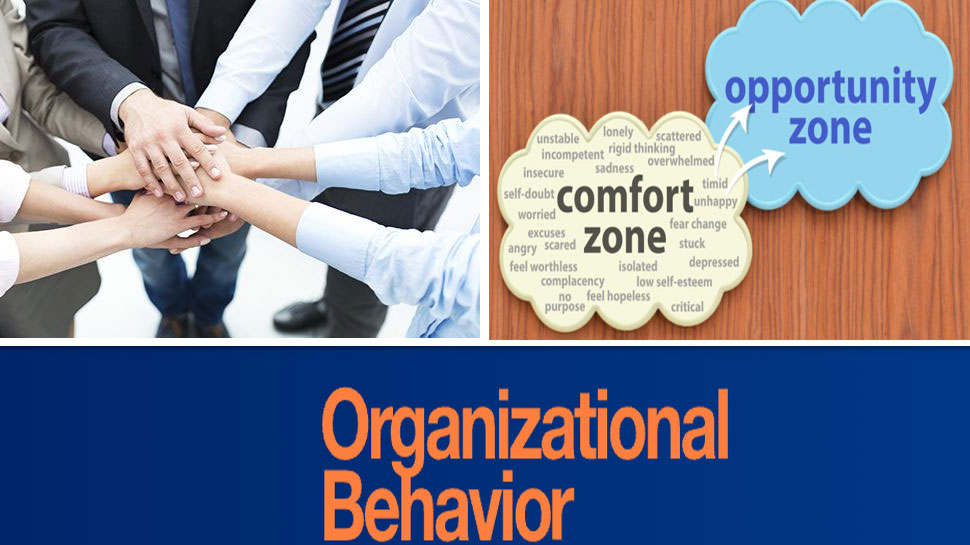
What can you do to reap the benefits of loyalty while reducing risk in the workplace? For this, you should have an understanding of the pros and cons associated with it. Let us tell you what has come out in the recent review paper of Howard University on this subject.
What do you understand by the term loyalty? It can have different meanings and definitions. There are many benefits of being loyal to both your organization (office) and work (job), which one cannot deny. In this context, things like being more loyal and showing loyalty blindly also cannot be ignored.
In fact, a study by Harvard Business Review Home has revealed that more loyal people are more likely to do wrong things in the organization to save their jobs and interests. Similarly, the chances of such people being harassed in the office are also more than others.
In such a situation, the big question arises, what can you do to reap the benefits of loyalty while mitigating many such risks at the workplace? First of all, you should understand the pros and cons of this loyalty. Let us tell you what else has come out in the recent review paper of Howard University regarding this topic.
benefits of being loyal
When employees are loyal, both they and their organizations benefit. Loyal employees tend to have strong bonds with others because of the 'binding effect' of loyalty. Which is very important for fulfilling the goals of an institution. Being loyal to your employer can help you improve your performance and reduce job-related stress.
Similarly you can find new opportunities for your better future. When you show loyalty to the office, the chances of promotion increase or you may be awarded with special and unexpected gifts on special work occasions. In such a situation, you are likely to be more satisfied and happy with your job than others. There are psychological benefits as well.
the risks of being overly loyal
When you are loyal to your organization, generally both you and your organization will do better. At the same time, it is also true that if this 'loyalty' is not implemented properly, then it encourages unethical behavior. For example, research has shown that employees who are highly loyal to their organizations often receive less attention for their corruption.
Take care of them in the office
Manage your loyalty levels properly. If you see anything immoral or wrong, raise your voice immediately. Focus on mutual cooperation rather than the spirit of competition in work. Change your perspective. If you too can take care of these things and take your career to new heights.
Comments
Post a Comment